
Why Is My AC Not Cooling? Comprehensive Troubleshooting Guide for Effective Air Conditioner Repair
An air conditioning unit that fails to cool is disruptive and uncomfortable. At Air It Up Air Conditioning & Heating, we understand how important a properly functioning AC is to your comfort. This guide explains the common causes and provides practical troubleshooting steps to restore your unit’s cooling performance. Identifying the root cause early can reduce repair costs and extend the service life of your HVAC system. We cover issues such as low refrigerant, compressor faults, thermostat problems, and when to engage a qualified technician.
What Are the Most Common Causes of an AC Blowing Warm Air?
Warm air from an AC unit can stem from several common faults. Recognising these causes helps with accurate diagnosis and timely repair.
- Low Refrigerant Levels: Insufficient refrigerant can hinder the cooling process, leading to warm air being circulated.
- Dirty or Clogged Air Filters: A blocked air filter restricts airflow, causing the system to work harder and potentially blow warm air.
- Malfunctioning Thermostat: If the thermostat is not functioning correctly, it may not signal the AC to cool the air properly.
Each of these root causes can present with overlapping symptoms, so a structured approach to inspection is best. Start with the simplest items—filters and thermostat settings—then move to visual checks of the outdoor unit and finally to diagnostic measurements or professional inspection if needed. Working from simple to complex reduces unnecessary technician visits and helps identify obvious fixes quickly.
How Do Low Refrigerant Levels Affect AC Cooling Performance?
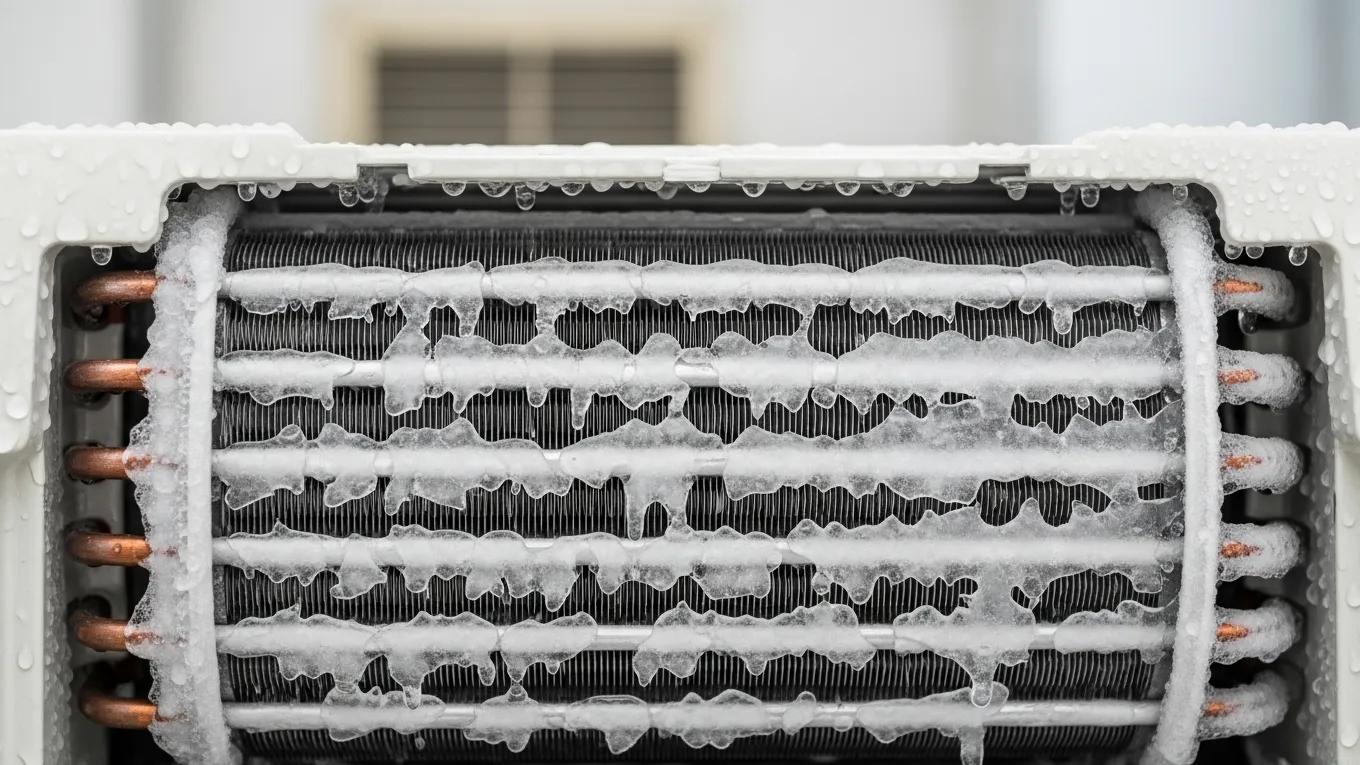
Refrigerant is responsible for absorbing indoor heat and releasing it outdoors. When refrigerant is low, the system cannot transfer sufficient heat and cooling performance degrades. Common signs include ice on the evaporator coils and a hissing noise. We recommend having a professional inspect your system for leaks and recharge refrigerant as required.
Before calling us, you can check for visible indicators that suggest a refrigerant issue: ice on coils, unusually long run times with little temperature drop, or uneven cooling across rooms. However, refrigerant handling and leak repair require certified technicians due to environmental regulations and safety considerations. When a leak is suspected, request a pressure test and a clear explanation of the repair and leak-sealing approach from our service team.
Can a Faulty Compressor Cause My AC to Stop Cooling?
The compressor circulates refrigerant through the system; if it fails, refrigerant flow is interrupted and the unit will not cool effectively. Indicators of compressor failure include unusual noises such as clanking or buzzing and a unit that will not start. Diagnosing and repairing a compressor requires a trained technician like those at Air It Up Air Conditioning & Heating.
Some temporary checks can help you prepare for a service call: note any unusual startup sounds, whether the outdoor fan is spinning, and whether the compressor is hot to the touch (do not touch metal that might cause burns). If the compressor motor is failing or the compressor is short-cycling, describe the symptoms to our technician so they can bring appropriate replacement parts and tools. In some cases, the issue traces to the start/run capacitor or electrical contactor rather than the compressor itself.
How Can I Troubleshoot My AC When the Fan Is Running but It’s Not Cooling?
If the fan runs but the unit is not cooling, perform a sequence of basic checks to narrow the cause.
- Check Air Filters: Ensure that the air filters are clean and not clogged, as dirty filters can restrict airflow.
- Verify Thermostat Settings: Confirm that the thermostat is set to the cooling mode and the desired temperature is lower than the current room temperature.
- Inspect Circuit Breaker: Check the circuit breaker to ensure that the AC unit is receiving power. A tripped breaker may prevent the compressor from running.
After these basic steps, measure the temperature of the supply and return vents if you can: a healthy system will produce a noticeable temperature difference between the return and supply. If you lack a thermometer, feel the airflow — warm supply air indicates a cooling failure. Also inspect the condensate drain and pan for clogs or overflow that can trigger safety switches and stop the compressor.
When the fan runs but the compressor does not, electrical faults such as a blown fuse, bad contactor, or failed capacitor are common. Photograph or note any error codes shown on digital thermostats and keep a short log of on/off behavior; this information helps our technicians diagnose intermittent problems more quickly.
What Role Does the Thermostat Play in AC Cooling Issues?
The thermostat controls when the air conditioner runs and monitors indoor temperature. Faults such as incorrect calibration, depleted batteries or wiring problems can prevent proper operation. Troubleshooting includes checking settings, replacing batteries and ensuring the device is unobstructed. Persisting faults warrant professional evaluation by our team.
If your thermostat is older, consider simple tests before replacement: change batteries, set the mode to cooling and lower the setpoint below room temperature, or temporarily install a known-good thermostat if available. For smart thermostats, check Wi‑Fi connectivity and any error messages in the app. When replacing a thermostat, confirm compatibility with your system type (e.g., conventional or heat pump) and keep the old unit available for reference or warranty purposes.
How Does a Dirty Air Filter Impact AC Efficiency and Cooling?
A clogged air filter restricts airflow, forcing the system to work harder to reach the set temperature. This increases energy consumption and can cause overheating or component stress. Regularly cleaning or replacing filters is essential to maintain efficiency and prevent damage.
Replacing a filter is one of the simplest and most effective homeowner actions. Turn off the system, remove the old filter, and check the size and replacement direction indicated on the frame before installing a new one. If you notice dust or pet hair buildup frequently, consider a higher-MERV or pleated filter suited to your HVAC system and indoor air quality needs. Keep a schedule for replacements to avoid recurring restriction problems.
When Should I Seek Professional Air Conditioner Repair Near Me?
Timely professional intervention preserves system efficiency and prevents further damage. Contact Air It Up Air Conditioning & Heating if you observe any of the following:
- Unusual Noises: Sounds like grinding, squealing, or banging can indicate mechanical issues.
- Inconsistent Cooling: If some rooms are cooler than others, it may signal a problem with the ductwork or the AC unit itself.
- Rising Energy Bills: A sudden increase in energy costs without a change in usage can suggest inefficiencies in your system.
When you call us for service, be prepared to describe what you have observed and the sequence of events. Provide details such as when the problem started, any recent maintenance, and whether the issue is continuous or intermittent. This helps our technicians prioritise checks and can reduce time and cost on-site.
For dependable service, Air It Up Air Conditioning & Heating provides professional HVAC repairs and maintenance tailored to your needs in New Orleans, LA.
What Are the Signs That Indicate the Need for Expert HVAC Services?
Early recognition of system faults can reduce downtime and repair expense. Key indicators to watch for include:
- Unusual Noises: Any strange sounds coming from the unit can signal mechanical issues.
- Weak or Inconsistent Airflow: If the airflow is weak or varies significantly, it may indicate ductwork problems or a failing compressor.
- Strange Odors: Unpleasant smells can indicate electrical issues or mold growth within the system.
If any of these signs are present, consult our professional HVAC technicians for diagnosis and repair. For safety-related symptoms such as burning smells or visible sparks, shut off the system and power at the breaker and request emergency service to avoid fire risk or further electrical damage.
How Can Local HVAC Experts in New Orleans, LA Help Restore AC Cooling?
Our local HVAC professionals offer targeted diagnostics and reliable repairs that restore cooling performance. Our work typically includes comprehensive inspections, component repairs or replacements, and recommendations to improve system efficiency.
- Thorough Inspections: Our technicians identify underlying issues affecting your system’s performance.
- Quality Repairs: Skilled professionals address mechanical failures, ensuring your unit operates efficiently.
- Energy Efficiency Recommendations: We suggest upgrades or maintenance practices to enhance your system’s efficiency.
Our local technicians are familiar with climate-related wear patterns and can recommend practical, site-specific solutions—such as improving outdoor unit clearance, advising on corrosion-resistant components, or adjusting the maintenance schedule to better match seasonal demand. We also advise on any regional licensing or permit requirements relevant to major repairs or replacements.
What Are Effective AC Troubleshooting Tips for Homeowners?
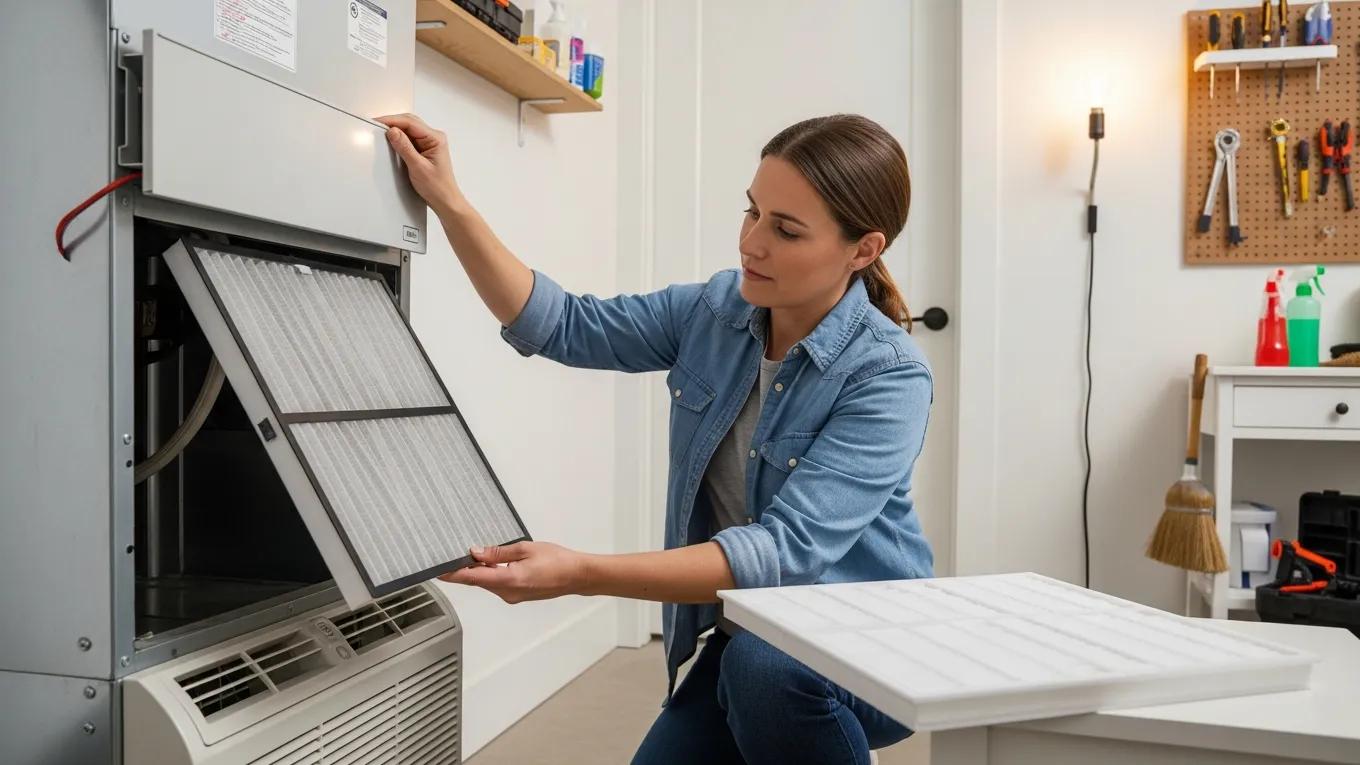
As your trusted HVAC partner, we encourage homeowners to perform several proactive checks to identify common AC faults and reduce downtime.
- Check Thermostat Settings: Ensure the thermostat is set correctly and functioning.
- Inspect and Replace Air Filters: Regularly check and replace filters to maintain airflow.
- Clear Debris Around the Outdoor Unit: Ensure the outdoor unit is free from obstructions to allow for proper airflow.
Useful tools for basic troubleshooting include a simple room thermometer, a screwdriver set, and a flashlight. For safety, always turn off power to outdoor units at the breaker before clearing debris, and avoid attempting electrical repairs unless you are qualified. Keep a basic maintenance log to record filter changes, inspections, and any repairs—this record can be valuable when discussing recurring issues with our technicians.
Which DIY Steps Can I Take to Improve My AC’s Cooling?
To improve cooling performance, carry out simple maintenance tasks and inspections before calling us.
- Adjust Thermostat Settings: Set the thermostat to a lower temperature to test the cooling function.
- Clean or Replace Air Filters: Regular maintenance of air filters can significantly enhance airflow and efficiency.
- Remove Debris: Clear any leaves, dirt, or obstructions around the outdoor unit to ensure optimal airflow.
Other low-risk DIY actions include straightening bent fins on the condenser with a fin comb, checking that supply and return vents are open and unblocked, and ensuring attic insulation and duct registers are sealed. These steps improve the distribution of cooled air and can often resolve perceived cooling problems without major repairs.
How Often Should I Perform Maintenance to Prevent Cooling Problems?
Regular maintenance reduces the likelihood of cooling failures. Recommended actions include:
- Regular Filter Changes: Change or clean filters every 1-3 months, depending on usage.
- Annual Professional Inspections: Schedule yearly inspections to identify potential issues before they escalate.
- Cleaning Coils: Ensure that both the evaporator and condenser coils are clean to maintain efficiency.
In addition to standard intervals, adjust service frequency when usage increases (for example during prolonged hot periods) or when you notice performance changes. During a professional tune-up, request a checklist of services performed so you can track when compressor oil checks, refrigerant inspections, and safety control tests were last completed.
How Does Regular AC Maintenance Enhance Energy Efficiency and Cooling?
Routine maintenance—such as cleaning coils and replacing filters—helps systems operate at designed efficiency. This improves cooling performance, reduces energy consumption and can lower utility costs. Regular service also supports longer equipment life and more reliable operation.
Proactive maintenance identifies minor issues—loose electrical connections, worn belts, or small refrigerant leaks—before they become major failures. When our technicians perform preventive maintenance, they also optimise airflow, calibrate controls and verify system safety features. Over time, consistent care preserves capacity and reduces the likelihood of emergency breakdowns, which are typically more costly and disruptive.
What Are the Benefits of Scheduled HVAC Tune-Ups?
Scheduled tune-ups deliver measurable benefits, including:
- Thorough Inspections: Our technicians identify and address potential issues before they become major problems.
- Maintenance Tasks: Regular maintenance helps keep the system clean and efficient.
- Impact on System Performance: Well-maintained systems operate more efficiently, providing better cooling and energy savings.
When booking a tune-up with Air It Up Air Conditioning & Heating, ask for a written summary of findings and recommended next steps. This documentation helps you prioritise repairs and keeps service transparent. Also request confirmation that our technicians will verify safety controls and refrigerant levels as part of the visit, so you receive a full-system assessment rather than a surface inspection.
How Can Energy-Efficient AC Systems Reduce Cooling Costs?
Energy-efficient systems are engineered to lower energy consumption while maintaining effective cooling. Features such as variable-speed compressors and smart thermostats adjust operation to demand. Choosing efficient equipment can reduce long-term cooling costs and improve overall performance.
When considering upgrades, compare equipment efficiency ratings and the compatibility of new components with existing ductwork and electrical infrastructure. Our professional assessment can reveal whether targeted upgrades (such as a more efficient compressor or a programmable thermostat) will deliver meaningful savings relative to the investment.
What Financing Options Are Available for AC Repair and Replacement?
Financing can make repairs or replacements more affordable. At Air It Up Air Conditioning & Heating, we help homeowners evaluate available plans, eligibility criteria and the potential benefits of spreading costs over time.
- Financing Options Available: Many HVAC companies, including us, offer financing plans to make repairs and replacements more affordable.
- Eligibility Criteria: Understanding the eligibility requirements can help homeowners access financing options.
- Benefits for Homeowners: Financing can ease the burden of upfront costs, allowing for timely repairs and upgrades.
When exploring financing, compare terms, fees and repayment flexibility. Obtain written estimates for recommended repairs or replacements and use these to evaluate loan or payment-plan offers. Avoid signing agreements without understanding early repayment penalties or service warranties that are linked to financing arrangements.
How Can HVAC Financing Help Manage Repair Costs?
Financing provides practical options to manage expenses and maintain system performance without large upfront payments.
- Affordable Payments: Flexible payment plans can make it easier to budget for repairs.
- Access to Professional Services: Financing allows homeowners to seek professional help without financial strain.
- Improved System Performance: Timely repairs can enhance system efficiency and prolong the lifespan of the unit.
What Should Customers Know About Financing Terms and Eligibility?
Homeowners should review financing terms carefully. Important considerations include interest rates, repayment periods and the application process.
- Terms and Eligibility: Familiarize yourself with the specific terms of financing options, including interest rates and repayment periods.
- Interest Rates: Be aware of the interest rates associated with financing plans, as they can impact overall costs.
- Application Process: Knowing the application process can streamline access to financing options.
Request all financing terms in writing and confirm whether any service guarantees are contingent on using the provider’s financing. If possible, seek multiple quotes and compare both the scope of work and payment options to ensure you choose a plan that matches your financial needs.
How Do Local Climate Factors in New Orleans, LA Affect AC Cooling Performance?
New Orleans, LA’s high humidity and warm temperatures increase the load on air conditioning systems. Systems must remove both heat and moisture, which can reduce cooling capacity if the unit is undersized or poorly maintained. Regular servicing helps units perform reliably in this climate.
High humidity can also contribute to corrosion and faster wear on outdoor components if salt or airborne particulates are present. Our local technicians recommend corrosion-resistant parts or protective coatings, and advise on optimal equipment placement to minimise exposure to weather and debris.
Why Is Local Expertise Important for Effective AC Troubleshooting?
Technicians with local experience understand regional climate effects and common system stresses. We recommend solutions and maintenance practices suited to New Orleans, LA conditions, improving system reliability and efficiency.
How Do Humidity and Temperature Influence AC Efficiency?
High humidity requires the system to remove additional moisture, increasing runtime and energy use. Maintaining proper ventilation and performing scheduled maintenance helps systems manage humidity and retain cooling efficiency.
What Are the Key Components of an Air Conditioning Unit That Affect Cooling?
The primary components that determine cooling performance are the compressor, the refrigerant and the evaporator coils. Understanding their roles aids effective troubleshooting.
- Compressor: Circulates refrigerant throughout the system.
- Refrigerant: Absorbs heat from indoor air and releases it outside.
- Evaporator Coils: Facilitate the cooling process by allowing refrigerant to absorb heat.
Other components that frequently affect performance include the condenser fan, start and run capacitors, electrical contactors, and the thermostat control board. Ductwork condition and insulation also play a crucial role in delivering cooled air efficiently; leaks or poor insulation can negate the benefits of a properly functioning unit.
How Do the Compressor and Refrigerant Work Together to Cool Air?
The compressor pressurises the refrigerant so it can absorb heat in the evaporator coils and release it outside. This cycle is essential for removing heat from indoor air and maintaining a comfortable temperature.
What Is the Impact of Thermostat Settings on AC Operation?
Thermostat settings directly affect unit operation. Incorrect calibration or an inappropriate setpoint can increase energy use and reduce comfort. Ensure the thermostat is calibrated and set to the desired temperature for optimal performance.
Contact Air It Up Air Conditioning & Heating for Expert AC Repair and Maintenance
At Air It Up Air Conditioning & Heating, we are committed to helping you maintain a comfortable home environment. If your AC is not cooling properly, don’t wait—reach out to our experienced team for reliable diagnostics, repairs, and maintenance services tailored to your needs. Our local expertise in New Orleans, LA ensures that your system performs efficiently despite the challenging climate. Contact us today to schedule a service or consultation and experience the difference of professional HVAC care.