
As the warmer months approach in our community, ensuring your HVAC system is in optimal condition becomes crucial for maintaining comfort and efficiency in your home. At Air It Up Air Conditioning and Heating, we understand that a comprehensive spring HVAC maintenance checklist not only prepares your air conditioning system for the heat but also enhances its longevity and performance. This guide will walk you through the essential tasks involved in spring HVAC maintenance, emphasizing the importance of regular AC tune-ups and inspections. Many homeowners overlook these critical steps, which can lead to increased energy costs and potential system failures. By following our checklist, you can avoid costly repairs and ensure your HVAC system operates efficiently throughout the season. We will cover the key steps in a thorough spring HVAC system inspection, the benefits of regular maintenance, and how to prepare your air conditioner for the warm weather ahead.
We at Air It Up Air Conditioning and Heating have developed a well-structured spring HVAC maintenance checklist to ensure your air conditioning system operates efficiently. Here are the essential tasks we recommend including:
- Inspect and Replace Air Filters: Clogged filters can restrict airflow, leading to reduced efficiency and increased strain on your system. We advise replacing filters every 1-3 months during peak usage to maintain optimal performance and indoor air quality.
- Clean the Condenser Coils: Dirt and debris accumulation on the coils can hinder heat exchange, causing your system to work harder. Cleaning them at the start of the season improves efficiency and helps prevent breakdowns.
- Check Refrigerant Levels: Low refrigerant levels may indicate leaks and can significantly affect cooling performance. We ensure refrigerant levels are adequate for optimal operation and safety.
- Examine Electrical Connections: Loose or corroded connections can lead to system failures and safety hazards. We tighten and clean connections to maintain reliability and prevent unexpected outages.
- Test the Thermostat: A properly functioning thermostat is essential for maintaining desired temperatures efficiently. We test and calibrate your thermostat to ensure accurate temperature control.
By following this checklist, you can enhance your HVAC system’s performance and extend its lifespan. To make the checklist actionable, we recommend pairing each task with a simple timing plan and a brief note about expected signs of trouble. For example, when inspecting filters, note the current filter type and replacement date so you can track when to change it again. For condenser coil cleaning, record whether you used compressed air, a soft brush, or neutral coil cleaner and note any damage or bent fins. When checking refrigerant levels, document the pressures and any visible oil stains near service ports that might suggest a leak. For electrical connections, keep a short log of any terminals tightened, capacitors replaced, or fuses checked. A short, dated service log attached to the system or kept digitally helps you spot trends and prioritize repairs before they become emergencies.
Why Is Spring HVAC Maintenance Crucial for Your Air Conditioning System?
Spring HVAC maintenance is essential for several reasons. Regular maintenance helps identify potential issues before they escalate into costly repairs. It also ensures that your system operates at peak efficiency, which can lead to significant energy savings over time. Neglecting maintenance can result in decreased performance, higher energy bills, and a shorter lifespan for your HVAC system. Additionally, seasonal maintenance can improve indoor air quality by ensuring that filters and ducts are clean, reducing allergens and pollutants in your home.
How Regular AC Tune Ups Improve Energy Efficiency and Reliability
Regular AC tune-ups play a critical role in enhancing energy efficiency and reliability. During a tune-up, our HVAC professionals perform a comprehensive inspection and maintenance of your system, which includes cleaning components, checking refrigerant levels, and ensuring all parts are functioning correctly. This proactive approach can lead to several benefits.
- Increased Energy Efficiency: A well-maintained system uses less energy to cool your home, resulting in lower utility bills. This efficiency not only saves money but also reduces your environmental footprint.
- Improved Reliability: Regular maintenance reduces the likelihood of unexpected breakdowns, ensuring your system operates when you need it most. This reliability provides peace of mind during the hottest days of the year.
- Extended Lifespan: Consistent care can prolong the life of your HVAC system, delaying the need for costly replacements. This means you get more value from your investment over time.
By prioritizing regular AC tune-ups with Air It Up Air Conditioning and Heating, homeowners can enjoy a more efficient and reliable cooling system. When our technicians perform tune-ups, they typically follow a prioritized sequence: visual inspection and safety checks first, then airflow and refrigerant diagnostics, followed by control system verification and final performance testing. During that process, they often identify small, inexpensive repairs—such as capacitor replacements, contactor cleaning, or drain line clearing—that deliver outsized improvements in performance and reliability. If you receive a written tune-up report, look for clear notes on tested voltages, capacitor microfarads, and static pressures so you can compare changes over time and confirm issues have been resolved.
What Are the Risks of Skipping Seasonal HVAC Inspections?
Neglecting seasonal HVAC inspections can lead to several risks that may compromise your system’s performance and your home’s comfort. Some of the key risks include:
- Increased Repair Costs: Small issues can escalate into major problems if not addressed promptly, leading to expensive repairs. Early detection through inspections can save you from these unexpected expenses.
- Decreased Efficiency: A lack of maintenance can cause your system to work harder, resulting in higher energy consumption and costs. This inefficiency can strain your budget and the environment.
- Health Risks: Poorly maintained systems can circulate dust, allergens, and pollutants, negatively impacting indoor air quality and health. Regular inspections help maintain a cleaner, healthier home environment.
To avoid these risks, it is essential to schedule regular inspections and maintenance for your HVAC system. Delaying inspections also increases the chance of inconvenient failures during hot weather when demand is highest. If you notice warning signs such as slow cycling, water around equipment, or odors when the system runs, schedule an inspection promptly. A professional from Air It Up Air Conditioning and Heating will be able to prioritize corrective work, distinguishing between items you can safely delay and those that require immediate attention to protect comfort and safety.
What Are the Key Steps in a Thorough Spring HVAC System Inspection?

A thorough spring HVAC system inspection involves several critical steps to ensure your system is ready for the warmer months. Here’s a detailed breakdown of the inspection process we follow at Air It Up Air Conditioning and Heating:
- Visual Inspection: We check for any visible signs of wear or damage on the system components. This helps us identify potential issues before they affect performance.
- Electrical System Check: Our technicians inspect all electrical connections and components for signs of corrosion or wear. Ensuring electrical integrity is vital for safety and system reliability.
- Refrigerant Level Check: We measure refrigerant levels to ensure they are within the manufacturer’s specifications. Proper refrigerant charge is essential for efficient cooling.
- Thermostat Calibration: We test and calibrate the thermostat to ensure accurate temperature readings and optimal comfort.
- Ductwork Inspection: Our team examines ductwork for leaks or blockages that could impede airflow. Proper duct function supports system efficiency and indoor air quality.
By following these steps, you can be confident that your HVAC system is functioning optimally and ready for the heat of summer. Good inspections also include simple performance checks: we measure supply and return temperatures, verify amperage draw on major motors, and confirm that safety controls such as float switches and limit switches operate correctly. We keep any readings in a service log and note if values deviate from expected norms; that record makes future troubleshooting faster and more accurate. When issues are found, we provide clear recommendations and cost estimates so you can plan repairs in the correct priority order.
How to Perform an Effective Air Conditioner Maintenance Check
Performing an effective air conditioner maintenance check involves several key tasks that homeowners can undertake to ensure their systems are in good working order. Here are the steps we recommend:
- Turn Off Power: Always ensure the power to the unit is turned off before performing any maintenance. This is a critical safety step to prevent accidents.
- Clean or Replace Filters: Check the air filters and clean or replace them as necessary to maintain airflow. Clean filters help your system run efficiently and improve indoor air quality.
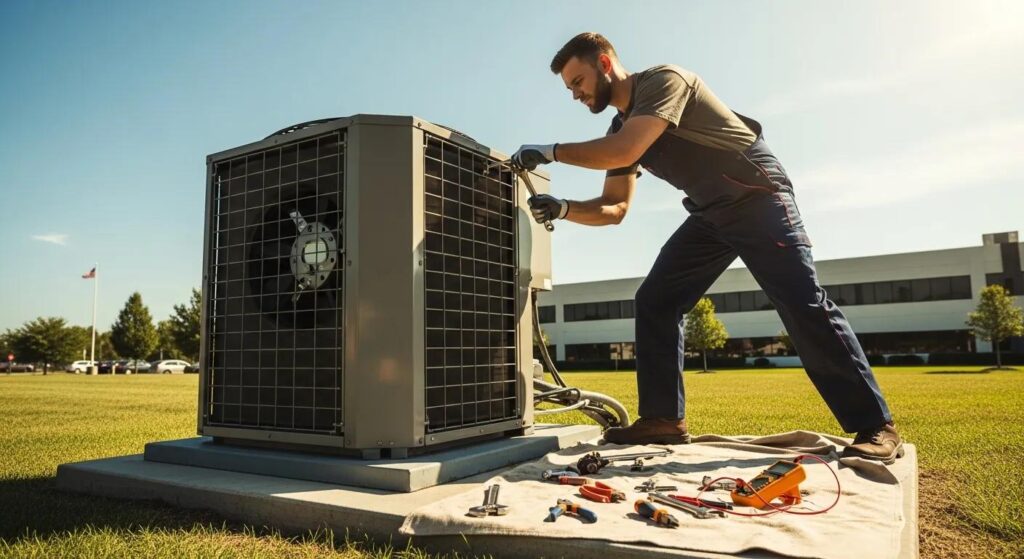
- Inspect the Condenser Unit: Remove debris from around the condenser unit and clean the coils to enhance efficiency. Keeping the outdoor unit clear helps maintain proper airflow and cooling capacity.
- Check Drainage: Ensure the condensate drain is clear to prevent water damage and mold growth. Proper drainage protects your home and system components.
- Test the System: Turn the system back on and test its operation to ensure it cools effectively. Listen for any unusual noises and monitor performance.
By conducting these checks, you can maintain your air conditioner’s efficiency and reliability. Useful tools and supplies for a safe DIY maintenance check include a flashlight, basic hand tools (screwdrivers, pliers), a soft-bristle brush, a vacuum with brush attachment, replacement filters, and safety gloves and eyewear. Avoid using harsh chemicals on coils unless following manufacturer guidance. Keep a small notebook or digital note with dates and actions taken: filter changes, coil cleaning, and any unusual observations. That simple documentation is valuable when you later call a professional.
Which HVAC Components Require Cleaning and Replacement in Spring?
Several HVAC components require regular cleaning and replacement during spring maintenance to ensure optimal performance. Key components include:
- Air Filters: Replace or clean filters every 1-3 months to maintain airflow and indoor air quality. Clean filters reduce allergens and help your system run smoothly.
- Condenser Coils: Clean the coils to remove dirt and debris that can hinder heat exchange. Regular cleaning prevents overheating and improves efficiency.
- Drain Lines: Clear any blockages in the condensate drain to prevent water damage and mold growth. Proper drainage protects your home and system health.
- Blower Components: Clean the blower assembly to ensure efficient airflow throughout your home. A clean blower reduces strain on the motor and improves comfort.
Regular attention to these components can significantly enhance your HVAC system’s performance. Understanding filter types helps you choose the right balance of airflow and filtration. Higher-efficiency filters (with higher MERV ratings) can capture smaller particles, but they may reduce airflow if the system was not designed for them. If you use a higher-efficiency filter, check blower motor performance and static pressure or consult a professional from Air It Up Air Conditioning and Heating to confirm compatibility. For homes with allergies or sensitive occupants, consider combining a quality filter with supplemental air-purifying devices rather than excessively restrictive primary filters.
How to Prepare Your Air Conditioner for Warm Weather: Essential Maintenance Tips
Preparing your air conditioner for warm weather involves several essential maintenance tasks. Here are some tips from Air It Up Air Conditioning and Heating to ensure your system is ready:
- Schedule a Professional Tune-Up: Consider hiring a professional HVAC technician for a comprehensive inspection and tune-up. Early scheduling helps avoid seasonal backlogs and ensures your system is ready when you need it.
- Clean the Outdoor Unit: Remove debris and vegetation around the outdoor unit to ensure proper airflow. Keeping the area clear helps your system operate efficiently and prevents damage.
- Check Insulation: Inspect insulation on refrigerant lines to prevent energy loss. Proper insulation maintains system efficiency and reduces energy costs.
- Test the System: Run the air conditioner to ensure it cools effectively and listen for any unusual noises. Early detection of issues can prevent breakdowns during peak usage.
By following these tips, you can ensure your air conditioner is prepared for the demands of summer. Timing is important: schedule professional work before the heat intensifies so technicians from Air It Up Air Conditioning and Heating can attend to routine tasks without seasonal backlog. If you prefer DIY preparation, aim to clear vegetation, set a reminder for filter replacement, and perform a basic functional test a few weeks before the first sustained warm spell. Stagger tasks so you can spot and address problems early and avoid last-minute emergency calls when the system is under heavy load.
What Is Included in an AC Tune Up Checklist for Spring?
An AC tune-up checklist for spring typically includes several key tasks to ensure your system is operating efficiently. Here’s what we include at Air It Up Air Conditioning and Heating:
- Inspect and Clean Coils: We ensure both the indoor and outdoor coils are clean for optimal heat exchange. Clean coils improve cooling efficiency and reduce energy consumption.
- Check Refrigerant Levels: We verify that refrigerant levels are adequate and check for leaks. Proper refrigerant charge is essential for system performance and longevity.
- Test Electrical Components: Our technicians inspect all electrical connections and components for safety and reliability. This helps prevent unexpected failures and hazards.
- Calibrate Thermostat: We ensure the thermostat is functioning correctly and accurately reflects the desired temperature. Accurate calibration maintains comfort and energy efficiency.
Following this checklist can help maintain your air conditioner’s efficiency and reliability. For homeowners who value transparency, we provide a printed or emailed tune-up summary that lists findings, actions taken, and recommended follow-ups. A clear report helps you understand whether a follow-up repair is urgent or can be scheduled into a later maintenance visit. It also supports warranty claims by documenting professional service dates and work performed.
How to Replace Air Filters and Improve Indoor Air Quality
Replacing air filters is a simple yet crucial task that can significantly improve indoor air quality. Here’s how we recommend doing it:
- Turn Off the System: Always turn off your HVAC system before replacing filters to ensure safety and prevent damage.
- Locate the Filter: Find the air filter compartment, usually near the air handler or return air duct. Proper identification helps avoid installation errors.
- Remove the Old Filter: Carefully take out the old filter, noting its orientation for the new filter. Correct orientation ensures proper airflow and filtration.
- Insert the New Filter: Place the new filter in the same orientation as the old one, ensuring a snug fit. A secure fit prevents air bypass and maintains efficiency.
- Turn the System Back On: Restart your HVAC system and check for proper airflow. Monitor system operation to confirm successful replacement.
Regularly replacing air filters can enhance indoor air quality by reducing allergens and pollutants. When changing filters, write the installation date on the filter frame or set a recurring calendar reminder. Proper disposal of used filters depends on material: many disposable pleated filters can go in household waste, while some reusable filters can be washed and reinstalled. If you notice a sharp decline in airflow immediately after changing to a denser filter, revert to a compatible grade and consult a technician from Air It Up Air Conditioning and Heating about system compatibility.
- Remove Debris: We clear leaves, dirt, and debris from around the outdoor unit to promote airflow. This prevents blockages and overheating.
- Clean Coils: Using a soft brush or cloth, we clean the coils to ensure they are free from dirt and grime. Clean coils improve heat exchange efficiency.
- Check Ducts: We inspect ductwork for leaks or blockages and clean as necessary to maintain airflow. Proper duct maintenance supports system efficiency and air quality.
- Schedule Professional Cleaning: We recommend hiring a professional for a thorough cleaning and inspection of your system. Professional service ensures comprehensive care and early problem detection.
Implementing these best practices can enhance the efficiency and longevity of your HVAC system.
How to Check Refrigerant Levels and Electrical Connections Safely
Checking refrigerant levels and electrical connections is crucial for maintaining your HVAC system. Here’s how we ensure safety and accuracy:
- Turn Off Power: We always turn off the power to the unit before performing any checks to prevent accidents.
- Locate the Service Valve: Our technicians find the service valve on the refrigerant line to check levels accurately.
- Use a Pressure Gauge: We attach a pressure gauge to the service valve to measure refrigerant levels precisely. This helps detect leaks or undercharging.
- Inspect Electrical Connections: We check all electrical connections for signs of wear or corrosion. Maintaining clean and tight connections prevents failures.
- Call a Professional: If low refrigerant levels or electrical issues are suspected, we recommend contacting a qualified technician from Air It Up Air Conditioning and Heating for assistance. Handling refrigerants and electrical components requires specialized training and certification.
By following these steps, you can ensure your HVAC system operates safely and efficiently. Handling refrigerants and performing system repairs that involve charging or recovering refrigerant requires specific training and certification in many jurisdictions. For safety and compliance, always hire a licensed technician. When contacting a technician, request documentation of certification and ask what refrigerant type your system uses so the technician can bring the right tools and parts.
Why Is Ductwork Inspection Important for Seasonal Maintenance?
- Identifying Leaks: Leaky ducts can lead to significant energy loss, increasing utility bills. Detecting and sealing leaks improves system efficiency and reduces costs.
- Improving Air Quality: Clean ducts reduce the circulation of dust and allergens, enhancing indoor air quality. This contributes to a healthier living environment for your family.
- Ensuring Proper Airflow: Inspections help identify blockages that can impede airflow, ensuring your system operates efficiently. Proper airflow supports consistent temperatures and comfort.
Regular ductwork inspections can lead to improved system performance and a healthier home environment. We at Air It Up Air Conditioning and Heating recommend scheduling duct inspections as part of your seasonal maintenance routine.
How Can Financing Options Support Your Spring HVAC Maintenance Needs?
Financing options can make spring HVAC maintenance more accessible for homeowners. At Air It Up Air Conditioning and Heating, we offer flexible financing plans to help manage costs. Here are some benefits of utilizing financing options:
- Affordable Payments: Financing allows you to spread the cost of maintenance over time, making it easier to budget for necessary services without financial strain.
- Access to Professional Services: With financing, you can invest in professional maintenance and repairs promptly, ensuring your system stays in top condition.
- Improved System Performance: Regular maintenance funded through financing can enhance system efficiency and longevity, saving you money in the long run.
By exploring financing options with Air It Up Air Conditioning and Heating, you can ensure your HVAC systems receive the care they need without breaking the bank. If cost is a concern, ask us about promotion timing or bundled maintenance plans that cover multiple visits per year. We also offer seasonal specials and membership programs with discounted routine service—review the terms and any cancellation policies carefully so you understand the coverage and obligations.
How to Book Professional Spring HVAC Maintenance Services Easily
Booking professional spring HVAC maintenance services with Air It Up Air Conditioning and Heating is a straightforward process. Here are some steps to follow:
- Research Local Providers: Look for reputable HVAC service providers in your area, such as Air It Up Air Conditioning and Heating, known for quality and reliability.
- Check Reviews: Read customer reviews and testimonials to gauge the quality of service and customer satisfaction.
- Request Quotes: Contact providers for quotes and inquire about available services. We provide transparent pricing and detailed service descriptions.
- Schedule an Appointment: Choose a convenient time for your maintenance service and confirm the appointment with our team.
By following these steps, you can easily secure professional maintenance services for your HVAC system. When you call for quotes, ask what is included in the tune-up, whether diagnostic tests are performed, and if the quote covers parts and labor for minor repairs. Confirm technician arrival windows, whether a service report will be provided, and the company’s qualification and insurance details. Clear expectations up front reduce the chance of surprises and help you compare providers based on services rather than price alone.
What Are Common Questions About Spring HVAC Maintenance Answered?
Many homeowners have questions about spring HVAC maintenance. Here are some common inquiries we address at Air It Up Air Conditioning and Heating:
- How often should I service my AC in spring?: We recommend servicing your AC at least once a year, ideally before the cooling season begins. Regular servicing helps maintain efficiency and prevent breakdowns.
- What are the signs that my HVAC system needs immediate attention?: Signs include unusual noises, inconsistent temperatures, and increased energy bills. If you notice these, contact us promptly for an inspection.
- How does preventive spring HVAC maintenance contribute to long-term savings?: Regular maintenance can prevent costly repairs and improve energy efficiency, leading to lower utility bills and extended system lifespan.
Addressing these questions helps homeowners better understand the importance of spring HVAC maintenance and how Air It Up Air Conditioning and Heating can assist.
How Often Should You Service Your AC in Spring?
Servicing your AC in spring is crucial for optimal performance. We generally recommend scheduling a service at least once a year, ideally before the peak cooling season. Regular servicing helps identify potential issues early, ensuring your system operates efficiently and reliably throughout the warmer months. Homeowners who neglect regular maintenance may experience decreased performance, higher energy costs, and a shorter lifespan for their HVAC systems.
What Are the Signs That Your HVAC System Needs Immediate Attention?
Recognizing the signs that your HVAC system needs immediate attention can prevent costly repairs and ensure comfort in your home. Key indicators include:
- Unusual Noises: Grinding, squealing, or banging sounds can indicate mechanical issues. If you hear these, it’s important to have your system inspected promptly.
- Inconsistent Temperatures: If some rooms are significantly warmer or cooler than others, it may signal airflow problems or system malfunctions.
- Increased Energy Bills: A sudden spike in energy costs can indicate that your system is working harder than it should, often due to inefficiencies or faults.
If you notice any of these signs, it is essential to contact a professional HVAC technician from Air It Up Air Conditioning and Heating for an inspection. Common troubleshooting steps you can perform before calling a technician include checking and replacing filters, ensuring supply registers are open, confirming the thermostat mode and batteries, and clearing debris from outdoor units. If those basic checks don’t resolve the issue or if you detect burning smells, leaking fluid, or visible damage, schedule a professional inspection promptly.
How Does Preventive Spring HVAC Maintenance Contribute to Long-Term Savings?
Preventive spring HVAC maintenance can lead to significant long-term savings for homeowners. By investing in regular maintenance with Air It Up Air Conditioning and Heating, you can:
- Reduce Repair Costs: Identifying and addressing minor issues early can prevent them from escalating into major repairs, saving you money and inconvenience.
- Enhance Energy Efficiency: A well-maintained system operates more efficiently, leading to lower energy bills and a reduced environmental impact.
- Extend System Lifespan: Regular care can prolong the life of your HVAC system, delaying the need for costly replacements and maximizing your investment.
Overall, preventive maintenance is a smart investment that pays off in the long run. Keeping a maintenance schedule and service log supports preventive care. Note dates of professional visits, parts replaced, and performance measurements so you can assess trends and make informed replacement decisions when components age. A clear record is also useful for resale value, demonstrating the property’s systems have been properly maintained.
What Energy Cost Reductions Result from Regular HVAC Tune Ups?
Regular HVAC tune-ups can lead to substantial energy cost reductions. Well-maintained systems can operate significantly more efficiently than neglected ones. This efficiency translates into lower utility bills, making regular tune-ups a cost-effective strategy for homeowners. Additionally, by ensuring that your system is running optimally, you can avoid the high costs associated with emergency repairs and system replacements.
How Does Maintenance Extend the Lifespan of HVAC Systems?
Regular maintenance is crucial for extending the lifespan of HVAC systems. By performing routine inspections and tune-ups, homeowners can ensure that all components are functioning correctly and efficiently. Key benefits of maintenance include:
- Preventing Wear and Tear: Regular checks can identify and address issues before they cause significant damage, preserving system integrity.
- Improving Efficiency: A well-maintained system operates more efficiently, reducing stress on components and prolonging their life.
- Enhancing Reliability: Consistent care leads to fewer breakdowns and a more reliable system overall, providing peace of mind.
By prioritizing maintenance with Air It Up Air Conditioning and Heating, homeowners can enjoy a longer-lasting HVAC system.
How to Monitor and Maintain Indoor Air Quality During Spring HVAC Care?

Monitoring and maintaining indoor air quality during spring HVAC care is essential for a healthy home environment. Here are some tips from Air It Up Air Conditioning and Heating to ensure good air quality:
- Regularly Replace Air Filters: Clean or replace filters every 1-3 months to reduce allergens and pollutants. This simple step significantly improves the air you breathe indoors.
- Use Air Purifiers: Consider using air purifiers to further enhance indoor air quality. These devices can capture particles that filters may miss.
- Maintain Humidity Levels: Use dehumidifiers or humidifiers as needed to keep humidity levels in check. Proper humidity control prevents mold growth and improves comfort.
- Schedule Duct Cleaning: Regular duct cleaning can remove dust and allergens from your HVAC system. Clean ducts support better airflow and healthier air quality.
By following these tips, you can ensure that your indoor air quality remains high during the spring season.
Which Air Quality Improvements Result from Filter Replacement?
Replacing air filters can lead to significant improvements in indoor air quality. Key benefits include:
- Reduced Allergens: Clean filters trap dust, pollen, and pet dander, reducing allergens in the air. This helps alleviate allergy symptoms and respiratory issues.
- Improved Airflow: New filters enhance airflow, allowing your HVAC system to operate more efficiently. Better airflow supports consistent temperatures and comfort.
- Healthier Environment: Better air quality contributes to a healthier living space, reducing respiratory issues and allergies. This creates a more comfortable home for your family.
Regular filter replacement is a simple yet effective way to enhance indoor air quality.
How to Use HVAC Maintenance to Reduce Allergens and Pollutants
HVAC maintenance plays a vital role in reducing allergens and pollutants in your home. Here are some strategies we recommend:
- Regular Filter Changes: Change filters frequently to trap dust and allergens effectively. This prevents buildup and keeps your air clean.
- Duct Cleaning: Schedule regular duct cleaning to remove accumulated dust and debris. Clean ducts reduce the circulation of pollutants.
- Use High-Efficiency Filters: Invest in high-efficiency filters that capture smaller particles and improve air quality. These filters are especially beneficial for allergy sufferers.
- Maintain Humidity Levels: Control humidity to prevent mold growth, which can contribute to poor air quality. Proper humidity also enhances comfort.
By implementing these strategies, you can create a healthier indoor environment for you and your family.
Schedule Your Spring HVAC Maintenance with Air It Up Air Conditioning and Heating Today
Don’t wait for issues to arise; schedule your professional spring HVAC maintenance with Air It Up Air Conditioning and Heating to keep your home comfortable and your system running smoothly. Our expert technicians are ready to provide comprehensive inspections, tune-ups, and repairs tailored to your needs. Contact us now to find the right maintenance plan for your home and enjoy peace of mind all season long.