
When to Call a Professional for HVAC Maintenance: Key Repair Signs and Service Timing
Early professional intervention for HVAC maintenance means diagnosing symptoms before they become failures, preventing safety hazards, and preserving system efficiency and lifespan. This article explains when a homeowner, business operator, or yacht owner should call a professional HVAC technician, how to interpret common warning signs, and which troubleshooting steps are safe to try first. You will learn to map symptoms—noises, odors, leaks, poor cooling, and rising energy bills—to likely causes, assess urgency, and decide whether to schedule routine maintenance, an expedited repair, or emergency service. The guide covers AC and heating systems, heat pumps, ductless units, and marine HVAC considerations tailored to the Greater New Orleans climate, including humidity and storm-related risks. Finally, the piece outlines the preventive value of regular tune-ups, what a professional inspection includes, and the information to have ready when you request same- or next-day service. Read on to diagnose common problems, perform safe checks, and understand when to call a certified technician.
What Are the Most Common Signs Your HVAC System Needs Professional Repair?
The most common warning signs are observable symptoms that indicate mechanical, electrical, or refrigerant problems and require professional diagnosis to prevent larger failures. These signs arise because key components—compressor, condenser coil, evaporator coil, blower motor, filters, thermostat, and ductwork—stop functioning optimally, which increases wear and can create safety risks. Recognizing these signs early preserves indoor air quality, reduces energy waste, and minimizes the chance of emergency breakdowns during extreme temperatures. Below is a concise itemized list of the most actionable signs to watch for and their immediate implications.
The following list summarizes the primary indicators that professional attention is needed:
- Unusual or loud noises from the system: Persistent banging, screeching, or rattling signals mechanical failure or loose components.
- Weak, uneven, or inconsistent airflow: Reduced airflow often means clogged filters, duct leaks, or blower motor issues.
- Strange odors coming from vents: Musty, burning, or sulfur-like smells can indicate mold, overheating components, or gas leaks.
- Visible water leaks or excessive condensation: Drain or refrigerant line issues create moisture and mold risk.
- Frequent short cycling or rapid on/off operation: Short cycling stresses compressors and reduces efficiency.
- Inconsistent indoor temperatures: Thermostat faults, refrigerant issues, or failing compressors often cause hot/cold zones.
- Significant rise in energy bills without usage change: Efficiency loss often precedes component failure.
- Ice buildup on coils or refrigerant lines: Indicates airflow problems or refrigerant imbalance that need urgent service.
These signs represent different failure pathways—mechanical, refrigerant, electrical, or airflow—and each warrants a specific diagnostic approach by a trained technician. Understanding noise patterns leads naturally into diagnosing which sounds require immediate shutdown and service.
Certain noises are urgent because they often signal imminent component failure or safety hazards; recognizing them allows homeowners to shut down systems and call for service promptly. Banging or booming sounds near startup frequently indicate delayed ignition in furnaces or loose panels that can cause damage if ignored. High-pitched squealing often points to a worn blower belt or bearing failure, while a grinding sound typically signals motor bearing failure that risks motor seizure and costly replacement. Hissing or bubbling around the outdoor unit can indicate refrigerant leaks, which degrade cooling and require certified handling.
If you hear loud electrical buzzing or popping, turn off the system and contact a professional immediately because arcing or failing relays can present fire hazards. For less severe rattles caused by loose screws or debris, a quick visual inspection of exterior panels is safe, but persistent or worsening noises always justify professional evaluation. Noting when the noise occurs—startup, shutdown, or continuous—helps technicians diagnose the fault more rapidly and reduces diagnostic time on-site.
How Can Weak or Inconsistent Airflow Signal HVAC Problems?
Weak or uneven airflow is a clear symptom that airflow components—filters, ducts, blower motors, or dampers—are compromised, which reduces comfort and increases energy consumption. Clogged air filters are the most common homeowner-correctable cause and should be checked first; blocked vents, closed dampers, or tripped breakers are other easy fixes to verify before calling a technician. When filters and vents are clear but rooms still feel under-conditioned, duct leaks, collapsed insulation, or blower motor degradation are likely and require professional ductwork inspection and airflow diagnostics.
Persistent low airflow can cause evaporator coil freezing and compressor strain, reducing efficiency and raising repair risk, so homeowners should schedule professional testing when basic checks don’t restore normal airflow. Accurate diagnosis often uses airflow meters, static pressure measurements, and duct-camera inspection—tools typically available to certified technicians—which helps determine whether repair, duct sealing, or system replacement is the most cost-effective solution. Proper airflow restoration improves comfort and restores energy efficiency, linking directly to lower utility bills.
What Do Strange Odors from Your HVAC System Mean?
Odors from an HVAC system are high-priority signals because they can indicate mold growth, electrical overheating, or hazardous gas leaks that require immediate action. A musty or mildew smell usually points to moisture in the drain pan, condensate line blockages, or microbial growth on coils and duct surfaces, which degrades indoor air quality and needs cleaning and possible mold remediation. A burning or acrid smell often signals overheated electrical components, insulation melting, or motor failure; in such cases, turn off the system and call a professional to avoid fire risk.
A rotten-egg or sulfur-like odor is associated with natural gas leaks in some heating systems and is an emergency—evacuate, ventilate, and contact the gas utility before calling an HVAC technician. For marine HVAC systems aboard yachts, persistent damp or fishy odors can indicate bilge moisture contacting ductwork or salt corrosion near condensers, and marine-capable technicians should inspect both the HVAC and nearby marine systems. Identifying the odor type quickly directs the appropriate safety step and determines whether an immediate shutdown and service call are necessary.
How Do You Know When Your AC Is Not Cooling Properly?
An AC not cooling properly manifests as warm or inconsistent airflow, long runtimes without reaching set temperature, ice on coils, or unusual smells; these symptoms arise from refrigerant imbalance, compressor strain, airflow restriction, or thermostat faults. Early detection prevents full compressor failure—a costly repair—and keeps indoor comfort reliable during warm seasons. The table below maps common AC symptoms to likely causes and homeowner actions to guide urgency.
This symptom-to-cause mapping helps homeowners prioritize next steps and provides technicians with actionable starting points.
| Symptom | Likely Cause | Recommended Action / Urgency |
|---|---|---|
| Warm air from vents | Low refrigerant, compressor failure, thermostat error | Check thermostat and filter; call pro if persists (urgent) |
| Long, continuous run cycles | Dirty coils, low refrigerant, blocked airflow | Change filter, clear vents; schedule service before peak heat |
| Ice on evaporator coil | Restricted airflow or low refrigerant | Turn off system to defrost and call technician (urgent) |
| Uneven cooling between rooms | Duct leaks, imbalance, undersized unit | Inspect vents and ducts; book diagnostic if unresolved |
| Musty or chemical smells with poor cooling | Mold on coils or refrigerant leak | Turn off if refrigerant odor; call professional immediately |
After completing these quick checks—thermostat mode and setpoint, filter cleanliness, and breaker status—homeowners can decide whether to schedule routine service or request expedited attention. Seasonal pre-summer tune-ups often prevent many of these failures, and for humid climates like New Orleans, ensuring coil cleanliness and proper refrigerant charge is especially important to maintain dehumidification and cooling capacity.
What Are the Top Symptoms of AC Cooling Failure?
Top symptoms of AC cooling failure include warm output air, prolonged run times, freezing on the evaporator coil, and odd noises or smells indicating mechanical or refrigerant issues. Warm air often originates from low refrigerant or a failing compressor; prolonged runtimes suggest reduced heat exchange efficiency from dirty coils or restricted airflow. Freezing coils result from airflow problems or refrigerant imbalance and risk compressor damage if the unit continues to run; defrosting and professional evaluation are required.
Homeowners should perform immediate checks: ensure the thermostat is set to cool and on the correct mode, replace or clean the air filter, and verify outdoor unit clearance and power. If these basic steps do not restore normal cooling, call a certified technician to measure refrigerant levels, inspect the compressor and condenser coil, and perform safe repairs. Prompt action reduces downtime and increases the chance that a repair—rather than a full system replacement—will resolve the issue.
When Should You Schedule AC Service to Avoid Breakdown?
Schedule AC service before the high-demand season—typically a pre-summer tune-up—to verify refrigerant charge, clean coils, inspect electrical connections, and test system controls; this timing prevents many emergency failures. In humid climates such as Greater New Orleans, pre-season service should emphasize condensate drain cleaning and coil inspection to ensure proper dehumidification and prevent microbial growth that impairs cooling. If you detect strange noises, leaks, loss of cooling, or rising energy bills, expedite scheduling to same- or next-day service to avoid peak-time failures.
Proactive scheduling benefits include restored efficiency, improved indoor air quality, and reduced risk of expensive compressor replacement; for marine HVAC systems, pre-cruise inspections ensure reliable cooling under load. Keep a simple service cadence: annual professional inspection for AC systems and additional visits for heavy-use, commercial, or marine installations, adjusting frequency based on system age and local environmental strain. Timely maintenance keeps systems predictable and more affordable over their operational life.
Why Is a High Energy Bill a Warning Sign for HVAC Issues?
A sudden or sustained rise in energy bills often reflects HVAC inefficiency caused by reduced heat exchange, refrigerant loss, restricted airflow, or failing electrical components; monitoring bills acts as an early detection tool. Inefficiency forces the system to run longer and more frequently, accelerating wear on the compressor and blower and increasing risk of failures. Identifying the root cause requires both simple homeowner checks and, when necessary, professional diagnostics to quantify energy loss and recommend targeted maintenance or repairs.
Understanding the mechanisms behind higher energy consumption focuses corrective action, and small preventive measures can deliver measurable savings. The next subsection explains how inefficiency develops and typical impacts on monthly costs, while the following list provides practical maintenance steps to prevent rising bills.
HVAC System Faults: Impact on Energy Efficiency and Performance
Building HVAC systems account for more than 30% of annual energy consumption in United States. However, it has become apparent that only in a small percentage of buildings do HVAC systems work efficiently or in accordance with design intent. Studies have shown that operational faults are one of the main reasons for the inefficient performance of these systems. It is estimated that an energy saving of 5 to 15 percent is achievable simply by fixing faults and optimizing building control systems.
How Does HVAC Inefficiency Lead to Increased Energy Costs?
HVAC inefficiency increases energy costs through reduced heat exchange—caused by dirty coils or clogged filters—which forces longer run periods and higher compressor workload. Refrigerant leaks diminish cooling capacity, leading to more runtime and greater electricity draw; similarly, failing capacitors or motors operate less efficiently and can raise consumption by double-digit percentages in some cases. Short cycling wastes energy through repeated startups that draw inrush current and reduce equipment life. High humidity further amplifies energy use because the system must remove more latent heat to maintain comfort, especially in New Orleans.
Quantifying savings typically depends on system condition and local rates, but routine coil cleaning, correct refrigerant charge, and calibrated controls often reduce energy use noticeably—sometimes by 10–20%—and recover the cost of maintenance through lower bills. Recognizing these mechanisms helps homeowners prioritize maintenance that returns the highest efficiency gains.
What Maintenance Steps Can Prevent Rising Energy Bills?
A clear preventive checklist targets the most common efficiency culprits: filters, coils, refrigerant, airflow, and controls, with recommended frequencies tailored to local conditions and usage. Regular filter replacement restores airflow and protects coils; coil cleaning improves heat exchange efficiency; refrigerant checks correct leaks and restore capacity; duct sealing reduces loss; and thermostat calibration ensures accurate control. The list below outlines these tasks and recommended cadence for most residential situations in humid climates.
Preventive maintenance checklist to reduce energy bills:
- Replace or clean air filters every 1–3 months to maintain airflow and system efficiency.
- Schedule annual coil cleaning and condenser inspection before heavy-use seasons to optimize heat exchange.
- Verify refrigerant levels and repair leaks as needed to restore cooling capacity and runtime efficiency.
- Inspect and seal ductwork to prevent conditioned air loss and balance airflow.
- Calibrate thermostat and inspect controls to avoid incorrect setpoints and frequent cycling.
These tasks combine homeowner actions and professional services; routine tune-ups performed by certified technicians typically bundle many of these items and deliver documented efficiency improvements. That practical value leads into the benefits of formal maintenance programs that reduce emergency repairs.
When Should You Call a Professional for Furnace Noise and Other Heating Problems?
Heating-specific issues—noises, ignition problems, carbon monoxide risk, and inconsistent heating—require prompt attention because faults can affect safety and system integrity. Furnace noises often map directly to failing components like heat exchangers, draft inducer motors, or ignition assemblies, and some sounds indicate hazardous conditions warranting immediate shutdown and service. Below is a reference table mapping common furnace noises to probable faults and urgency levels to help homeowners decide when to call a technician.
This quick-reference table helps prioritize safety and service timing for heating-related noises.
| Noise Type | Potential Fault | Urgency / When to Call |
|---|---|---|
| Loud boom at startup | Delayed ignition or cracked heat exchanger | High — shut down and call pro |
| Continuous rattling | Loose panels, debris, or blower issues | Medium — inspect and schedule service |
| High-pitched squeal | Worn blower bearings or belt | Medium — call before failure |
| Smell of burning | Overheated motor or electrical fault | High — shut down and call immediately |
| Intermittent clicking | Faulty ignition or relay | Medium — get diagnostic check soon |
What Types of Furnace Noises Indicate Repair Is Needed?
Different furnace noises correspond to specific component failures and urgency: a loud boom at ignition suggests combustion timing problems or a cracked heat exchanger and demands immediate shutdown and professional inspection due to carbon monoxide risks. Squealing or screeching typically indicates failing blower bearings or belt drive issues, which will worsen and eventually stop airflow if not repaired. Rattling might be caused by loose panels or debris but can also signal failing motors or mounting hardware, so scheduling service soon is prudent.
A burning or electrical smell paired with noise is an emergency—turn off the system and call for professional service because electrical faults can cause fires. Recording when the sound occurs and any associated symptoms (loss of heat, cycling behavior, or smell) provides technicians with diagnostic context that shortens repair time and improves accuracy.
How Do You Identify Common Furnace Issues Before They Worsen?
Identifying pre-failure signs—such as ignition delays, unstable pilot flame on older units, short cycling, or steadily increasing bills—lets homeowners schedule non-emergency repairs that prevent breakdowns. Simple checks include verifying thermostat settings, ensuring vents aren’t blocked, and confirming power to the furnace; these steps rule out user-facing causes. If problems persist after basic checks, note system age, recent maintenance history, and specific symptoms to share with the technician for efficient triage.
Persistent or worsening symptoms—strange noises, odors, or frequent cycling—are triggers for professional diagnostics that include combustion analysis, heat exchanger inspection, and electrical testing. Early professional intervention preserves safety, prevents carbon monoxide exposure risks, and reduces the chance of sudden system failure during cold spells.
What Are the Benefits of Regular HVAC Maintenance to Prevent Emergency Repairs?
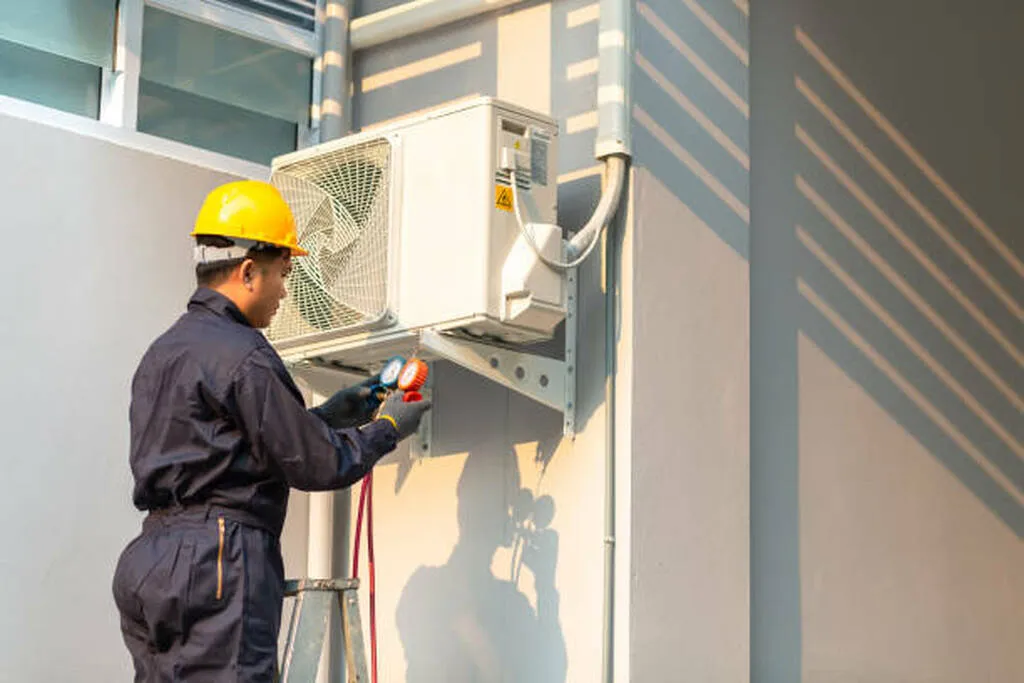
Regular HVAC maintenance delivers measurable ROI: improved energy efficiency, fewer emergency repairs, longer equipment life, and better indoor air quality, especially in humid climates that stress systems. Professional tune-ups catch small issues—loose electrical connections, refrigerant drift, blocked drains—that often escalate into costly failures. A maintenance plan also provides scheduling convenience and predictive care, and for boat owners, marine HVAC maintenance prevents corrosion-related failures in saltwater environments. The table below links common tune-up tasks to their direct benefits and recommended frequency.
Below is a maintenance task table that clarifies purpose, benefit, and suggested cadence.
| Maintenance Task | What It Does | Benefit / Frequency |
|---|---|---|
| Filter replacement | Restores airflow and protects coils | Improves efficiency; every 1–3 months |
| Coil cleaning | Restores heat exchange surface | Reduces runtime and energy use; annual |
| Refrigerant check | Confirms correct charge and leak-free system | Prevents capacity loss; annual or as needed |
| Electrical inspection | Identifies loose connections and wear | Prevents failures and fire risk; annual |
| Drain and condensate check | Prevents backups and microbial growth | Improves IAQ; pre-season annually |
How Often Should HVAC Systems Be Serviced in New Orleans?
In Greater New Orleans, consider an annual professional inspection for each major system component, with AC maintenance before the hot, humid season and heating service checked before cooler months; high humidity and storm exposure can necessitate additional attention. Residential AC systems should receive a pre-summer tune-up annually, while heating systems or heat pumps should be serviced once per year pre-winter; commercial or heavily used systems may need semi-annual checks. Marine HVAC systems also benefit from pre-season and post-season inspections to manage salt corrosion, moisture intrusion, and bilge interaction.
Exceptions include older systems, homes with pets or smokers, or properties with known duct issues—these environments may require more frequent filter changes and mid-season inspections. Maintaining a calendar-based plan prevents neglected intervals and reduces emergency callouts during extreme weather.
What Does a Professional HVAC Tune-Up Include?
A professional tune-up typically includes inspection and tightening of electrical connections, lubrication of moving parts, filter replacement or recommendation, coil cleaning, refrigerant level check, thermostat calibration, safety control testing, and condensate drain cleaning. Technicians also test system performance—measuring temperatures, pressures, and airflow—to ensure equipment operates within manufacturer specifications and to detect early signs of failure. Expect a documented checklist at the end of service that explains findings, recommended repairs, and estimated timelines.
A tune-up improves efficiency, identifies items that could fail soon, and often restores lost capacity, reducing the likelihood of emergency repairs. Many service plans bundle annual inspections with priority scheduling, financing options for larger repairs, and certified technicians, which adds practical value and peace of mind—especially for homeowners and yacht owners who depend on reliable climate control.
How Can Simple Troubleshooting Help Before Calling an HVAC Technician?
Safe homeowner troubleshooting can resolve many minor issues quickly and helps technicians by providing detailed symptom history when professional service is needed. Routine checks—thermostat settings and batteries, filter condition, circuit breaker status, and clear outdoor unit area—are the first steps, and they avoid unnecessary service calls. A structured troubleshooting checklist below guides homeowners through safe actions and clearly delineates when to stop and call a professional, such as when refrigerant handling, electrical faults, or persistent mechanical noises are present.
Perform these numbered steps for safe initial troubleshooting:
- Verify thermostat mode, setpoint, and batteries; incorrect settings are a common cause of no cooling.
- Inspect and replace or clean the air filter if visibly dirty to restore airflow and system response.
- Check circuit breakers and disconnect switches to ensure the system has power and reset if tripped.
- Clear debris around the outdoor condenser unit and ensure vents/registers are open and unobstructed.
- If you smell refrigerant or persistent burning, or if the system shows ice buildup, stop troubleshooting and call a professional immediately.
What Basic Checks Can Homeowners Perform Safely?
Homeowners can safely perform a short list of visual and control checks that resolve many routine issues: confirm thermostat settings and replace batteries, change or clean filters, ensure vents and registers are open, verify the outdoor unit is free of debris, and check the circuit breaker. These checks are low-risk and often restore normal operation if the problem is user-facing or maintenance-related. Document what you observe—error codes, noise timing, odors—to provide accurate information to technicians if professional service becomes necessary.
If these checks fail to correct the issue, the next step is to schedule professional diagnostics rather than attempting refrigerant or electrical repairs. Safe homeowner actions minimize downtime and reduce the complexity of the technician’s initial inspection, improving the efficiency of any subsequent repair visit.
When Is It Time to Stop Troubleshooting and Call a Professional?
Stop troubleshooting and call a professional if basic checks don’t restore function, if you detect refrigerant odors, burning smells, visible leaks, ice buildup, repeated tripping breakers, or if unusual noises persist—these signs suggest hazardous or technical faults beyond DIY fixes. For marine HVAC aboard boats, stop immediately if moisture intrusion, corrosion, or electrical anomalies appear, as these can compromise both HVAC and vessel systems. When contacting a service provider, have these details ready: system type (AC, heat pump, ductless, or marine), symptom timeline, noises or smells, and any recent maintenance—this information speeds triage and helps technicians determine whether same- or next-day service is appropriate.
The proactive identification and resolution of faults through advanced diagnostic systems are crucial for maintaining HVAC reliability and efficiency.
Automated Fault Detection and Diagnostics (AFDD) for HVAC Systems
In this comprehensive research paper, we delve into the transformative realm of Automated Fault Detection and Diagnostics (AFDD) within Heating, Ventilation, and Air Conditioning (HVAC) systems. As the intricacies of HVAC systems continue to evolve, AFDD emerges as a pivotal and proactive solution for the identification and diagnosis of faults, thereby bolstering system reliability, optimizing energy efficiency, and elevating overall performance. The exploration within this study encompasses a multifaceted analysis of AFDD, encompassing its fundamental principles, cutting-edge technologies, diverse applications, and the extensive benefits it brings to the domain of HVAC systems. The research sheds light on the underlying mechanisms and methodologies that enable AFDD to operate seamlessly, ensuring timely detection and diagnosis of faults that may impede system functionality. By investigating the applications of AFDD in HVAC systems, the research paper aims to elucidate its role
For residents and vessel owners seeking professional support, Air It Up Air Conditioning & Heating provides certified technicians, marine-capable service, easy online booking options, same- or next-day appointments where available, and financing options for larger repairs. Sharing clear symptom details when scheduling ensures the technician arrives prepared with the right tools and parts to restore reliable comfort.